Many new designers make avoidable mistakes during garment production. Learn the most common clothing designer mistakes and how to avoid them.
Eco-friendly clothing labels help fashion brands reduce environmental impact while maintaining professional garment branding. Learn about sustainable label materials and options.
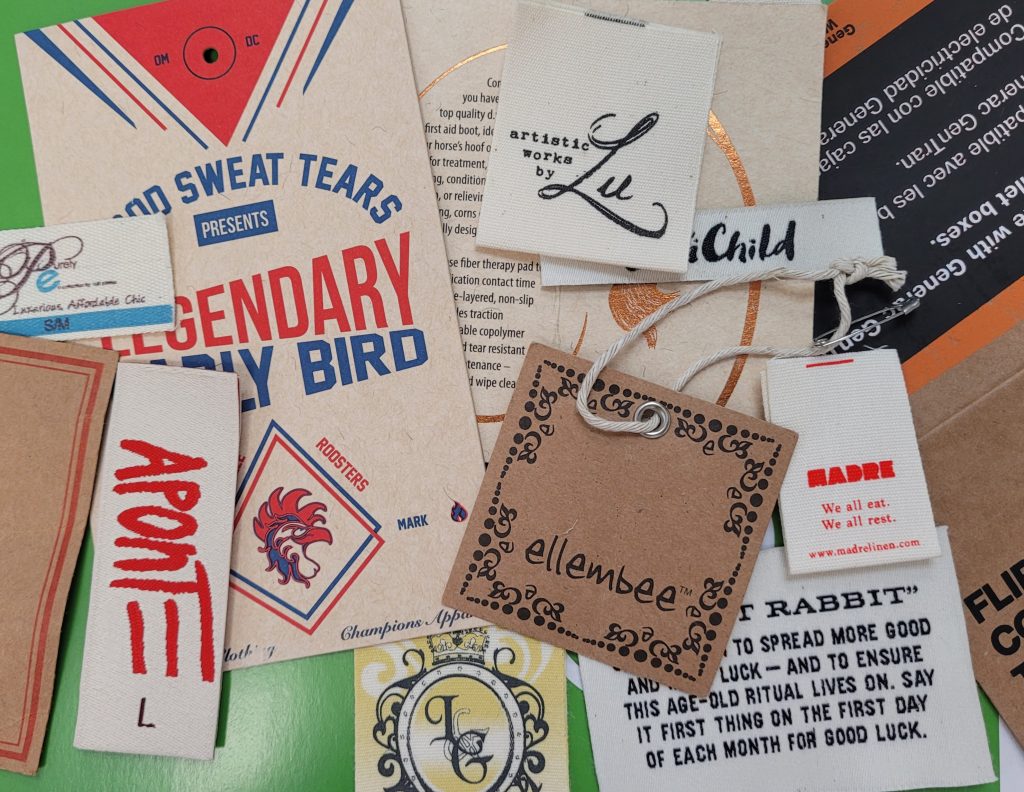
Clothing labels on garments serve many purposes beyond branding. Learn how multiple labels work together to communicate care instructions, sizing, and product details.
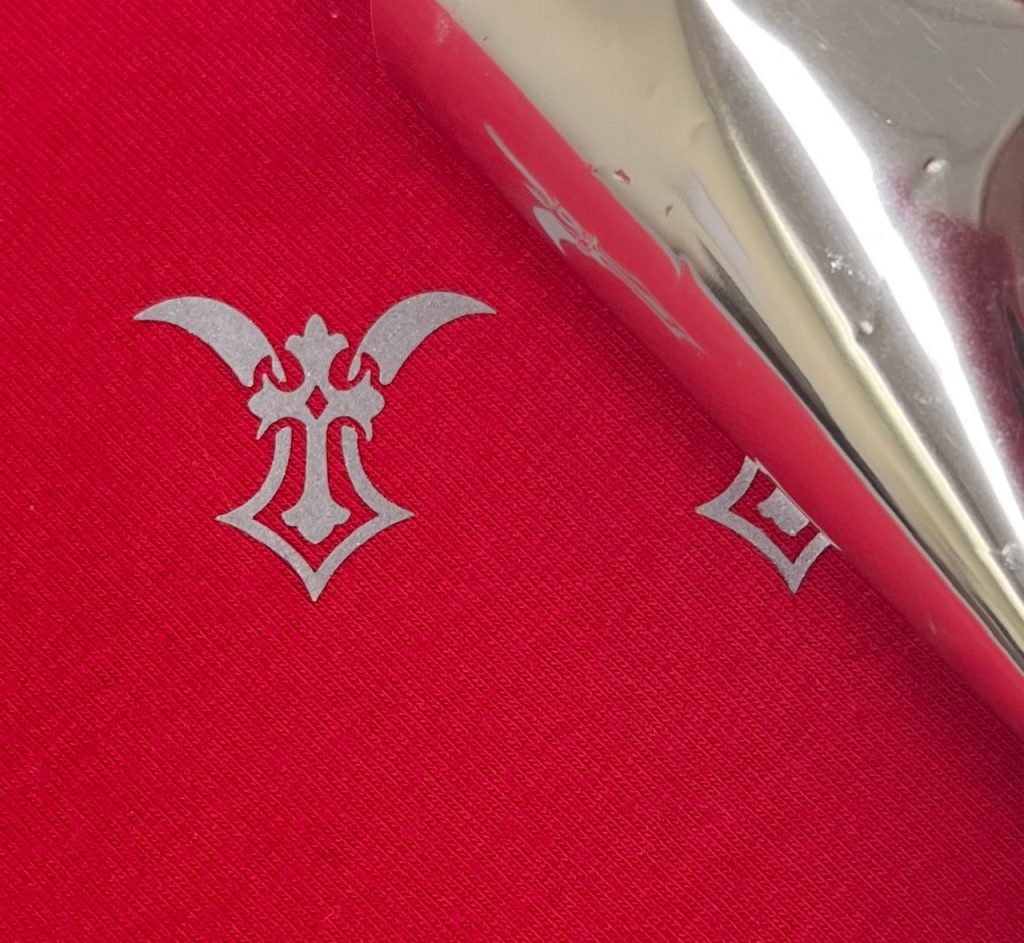
Hot peel vs cold peel heat transfers explained. Learn the differences in durability, application speed, and which transfer method works best for clothing labels.
Woven labels are commonly used on more than just clothing. Learn how brands and makers use woven labels on bags, handmade products, home goods, and accessories.
The Walmart RFID mandate policy is in place to improve customer satisfaction. This is undoubtedly part of the reason, but it doesn’t paint the whole picture either.
While both Pantone and thread colors serve essential functions in the world of design and fashion, they differ significantly in their application, purpose, and presentation.
In the fashion industry, deadstock refers to leftover scrap fabrics. Commonly known as deadstock fabrics, this refers to merchandise that was neither sold to the consumers nor is of any use to the producer anymore. This deadstock includes surplus fabric or leftover fabric pieces that the company cannot include in their products anymore hence adding them to their waste.
Clothing brands also need to use the right font on their labels to ensure their customers are not put off by their choice and are willing to read the text written. Hence, today we are sharing 5 of the current most popular fonts being used in designs and logos.
Do you have uniform needs to be decorated with your child’s name? Or do you want to apply custom logo? With so many heat transfers on the market to choose from, it’s easy to get overwhelmed.