
No products in the cart.

16
Mar
Mar
Athletic apparel uses specialized fabrics designed for performance. Learn which sports clothing fabrics are most common and which clothing labels work best with them.
Athletic apparel uses specialized fabrics designed for performance. Learn which sports clothing fabrics are most common and which clothing labels work best with them.

Learn why RFID tag cost is higher than standard labels and hangtags. This article explains the materials, chip technology, and manufacturing processes behind RFID labels used in retail inventory tracking.

RFID technology helps retailers reduce shrinkage by improving inventory accuracy, tracking products in real time, and preventing theft and supply chain errors.
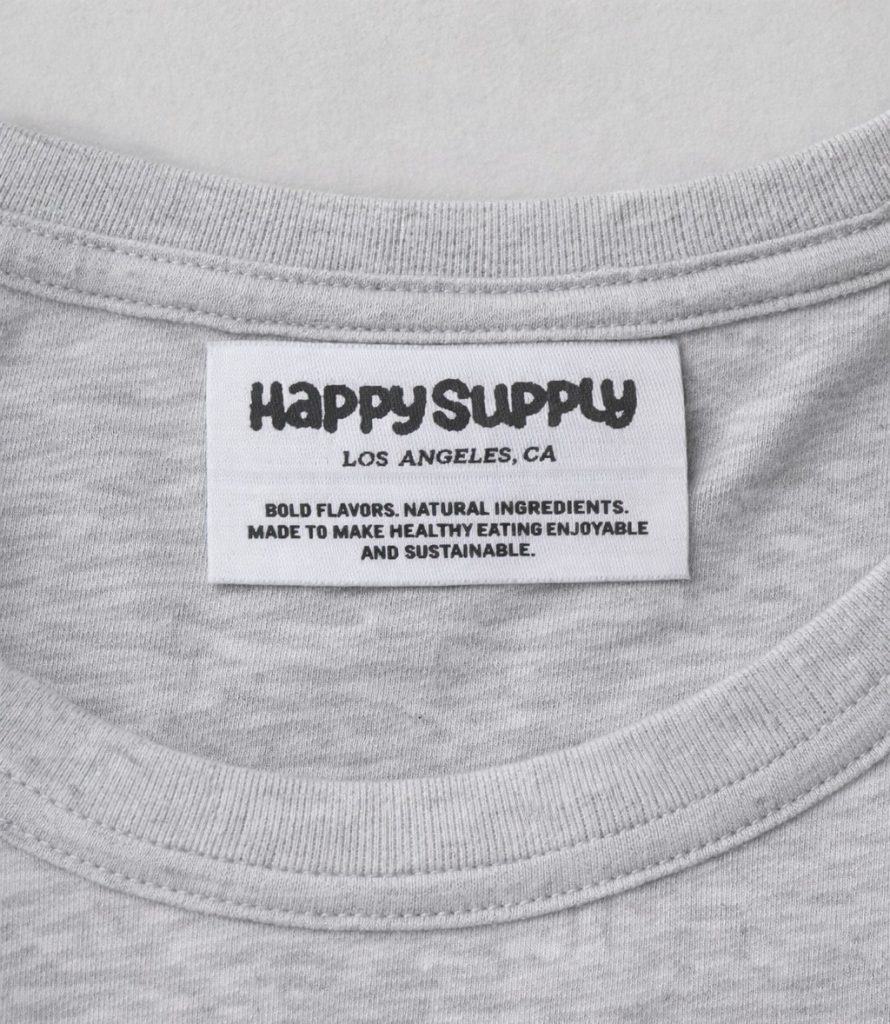
Clothing brands can order custom woven labels from several types of suppliers, including label specialists, online ordering platforms, and garment manufacturers. Learn how to choose the right woven label supplier for your clothing brand.
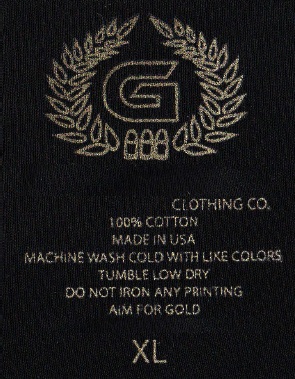
Tagless heat transfer labels are a popular alternative to traditional clothing tags, but one common design mistake can make them difficult to read. Learn how to avoid it.
Learn how to choose the right clothing label size for your garments. Discover common woven label sizes, sewing allowances, and practical tips for designing the perfect clothing label.

RFID tag cost is higher than standard labels because RFID tags contain chips and antennas. Learn what affects RFID pricing and why retailers use RFID.

Discover popular woven label enhancements including iron-on backing, peel and stick adhesive, merrowed edges, and starched woven labels. These options help clothing designers customize how labels are applied and displayed on garments and accessories.

Avoid common mistakes when ordering custom woven clothing labels. Learn how to review proofs, allow proper sewing space, and plan production timelines.
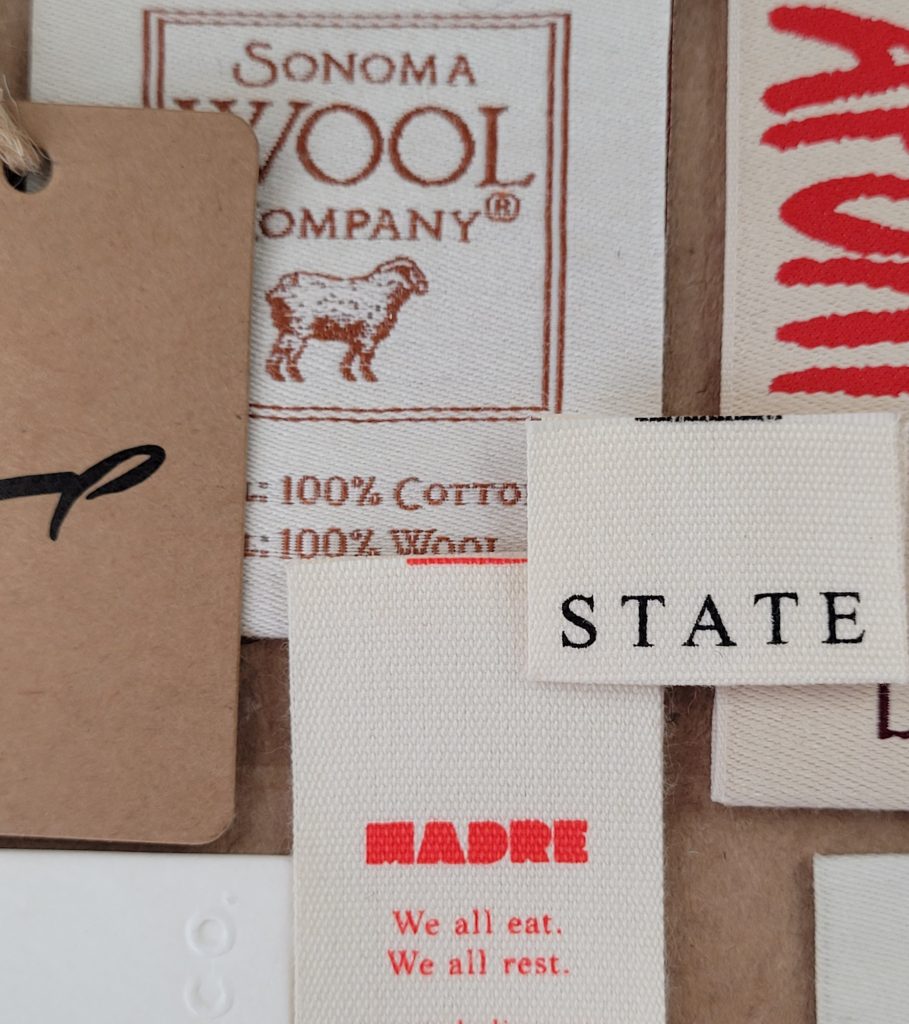
A key component of sustainability in clothing is reducing waste and promoting circularity. This involves designing products that are durable, repairable, and recyclable, as well as implementing take-back and recycling programs.