
No products in the cart.
Blog
Using Woven Labels on Non-Clothing Items
12
Apr
Apr
Woven labels are most commonly associated with apparel, but woven labels on non clothing items are becoming increasingly common for products such as bags, handmade goods, accessories, and home textiles. Brands, makers, and manufacturers frequently add woven labels to bags, accessories, home goods, and handmade items to create a consistent brand identity. Many brands use woven labels as an alternative to traditional printed labels when they want a more durable and professional finish.
Because woven labels are durable, flexible, and easy to sew into seams, they work well on a wide range of textile products beyond traditional garments. For small businesses and established brands alike, adding a woven label can instantly make a product look more polished and professional. Many brands choose woven labels because they provide a durable and professional branding solution for apparel, accessories, and other textile products.
Creating an effective label often begins with a thoughtful design that reflects your brand identity.
Why Woven Labels Are Used Beyond Clothing
Woven labels are popular because they combine durability with a high-end appearance. Unlike printed tags or stickers, woven labels are created by weaving threads directly into the fabric through a specialized manufacturing process.
When used on non-clothing items, woven labels can:
Reinforce brand recognition
Add a professional retail look
Identify handmade or custom products
Create consistency across different product types
For many small brands and makers, woven labels are one of the simplest ways to transform a handmade item into a recognizable branded product.
What Products Use Woven Labels Besides Clothing?
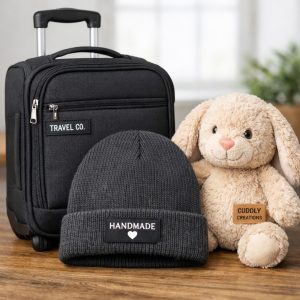
Woven labels on non clothing items are commonly used by brands and makers who want to add professional branding to products beyond traditional apparel.
Woven labels can be attached to many different types of products. Any textile item with a seam, edge, or stitched area can typically accommodate a woven label.
Some common examples include:

Bags and Accessories
Tote bags, backpacks, purses, and travel accessories frequently include woven labels. Many brands place labels on exterior seams, inside pockets, or along the edge of the bag to create a subtle but recognizable brand mark.
Handmade and Craft Products
Small businesses selling handmade goods often use woven labels on items such as:
Crochet products
Knitwear
Quilts
Handmade bags
Fabric accessories
Adding a woven label helps identify the maker and gives handmade items a more professional presentation.
Home Goods and Textiles
Woven labels are also commonly used on household textile products. Examples include:
Blankets
Decorative pillows
Upholstery items
Fabric storage baskets
These labels allow brands to identify their products while maintaining a clean, finished appearance.
Specialty and Outdoor Products
Outdoor gear and specialty products may also use woven labels for branding purposes. Camping equipment, pet accessories, and outdoor textile products often include woven labels sewn into seams or reinforced areas.
Can Woven Labels Be Used on Handmade Products?
Yes. In fact, woven labels are especially popular among makers who sell handmade products online or at craft markets.
Adding a woven label allows artisans to identify their work, reinforce their brand, and create a more professional presentation for their products. Many small businesses that sell on marketplaces like Etsy use woven labels to establish brand recognition as their product lines grow.
How Woven Labels Are Attached to Non-Clothing Items
The most common method for attaching woven labels is sewing them directly into a seam or stitching them onto the surface of the product.
Depending on the type of item, labels may be:
Sewn into side seams
Folded into edges or hems
Top-stitched onto the exterior of a product
For items such as bags or heavier textiles, sewing is typically the most secure and durable attachment method.
Choosing the Right Woven Label for Non-Clothing Products
Selecting the right label material and size is important when working with non-apparel items. Some woven label materials are softer and more flexible, while others provide a more structured look. Understanding the differences between various woven label materials can help determine the best option for your product.
Common woven label materials include:
Damask woven labels, known for their ability to reproduce fine design detail
Satin woven labels, which offer a smoother and softer feel
Taffeta woven labels, which are lightweight and durable
The best option often depends on the type of product, the placement of the label, and the overall brand aesthetic.
Woven Labels Add Branding to More Than Just Apparel
While woven labels are best known for their use on clothing, they are equally valuable for many other products. Bags, handmade goods, home textiles, and accessories can all benefit from the professional branding that woven labels provide.
By adding a well-designed woven label, businesses and makers can create a consistent brand identity across a wide range of products.
If you are planning to add woven labels to your products, working with an experienced label supplier can help ensure the design, size, and placement are appropriate for the item you are producing.