
No products in the cart.
Clothing Labels
Best Fabrics for Sports Clothing and the Right Labels to Use on Them

16
Mar
Mar
Athletic apparel is designed very differently from everyday clothing. Sports garments must handle sweat, movement, stretching, temperature regulation, and frequent washing. Modern performance fabrics are specifically engineered to improve comfort and athletic performance. Because of this, the sports clothing fabrics used in activewear are carefully chosen to improve performance and comfort.
When designing sportswear, clothing brands must also think about how clothing labels interact with these performance fabrics. Labels need to remain comfortable against the skin, flexible enough to move with the garment, and durable enough to survive repeated washing and drying.
Below are several of the most common sports clothing fabrics used in athletic apparel and the types of clothing labels that work best with them.
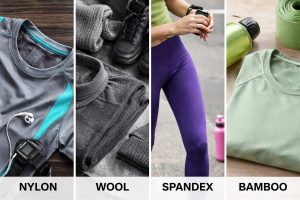
Nylon
Nylon is one of the most common sports clothing fabrics used in athletic apparel because it is lightweight, durable, and highly resistant to moisture. It is lightweight, strong, and highly resistant to moisture. Nylon fabric also dries quickly, making it a popular choice for running gear, athletic shorts, swimwear, and performance jackets.
Another advantage of nylon is its ability to wick moisture away from the skin. This helps athletes stay cooler and more comfortable during intense activity.
Because nylon fabrics are smooth and durable, they work very well with both woven labels and printed clothing labels. Woven labels made from damask or polyester yarns provide a clean, professional look inside nylon garments while remaining durable through frequent washing.
Brands that want to minimize bulk can also use heat transfer labels on nylon garments to create a tagless finish that eliminates irritation during workouts.
Wool
Wool may not immediately come to mind when thinking about athletic apparel, but it is actually one of the most effective natural sports clothing fabrics available. Modern athletic brands frequently use merino wool in base layers, hiking apparel, and cold-weather training gear.
Wool fibers naturally trap warm air while still allowing moisture to escape. This combination helps regulate body temperature in both cold and cool conditions. Wool also has natural odor-resistant properties, making it a popular choice for socks, base layers, and outdoor clothing.
Because wool fabrics can sometimes be more delicate than synthetic materials, woven clothing labels are typically the preferred labeling option. Cotton or damask woven labels provide a soft texture that blends well with natural fibers and maintains a premium look inside wool garments.
Spandex
Spandex, also known as elastane, is another essential sports clothing fabric. It is most commonly blended with other materials such as polyester or nylon to create garments that stretch and move with the body.
This stretch capability makes spandex a key fabric in yoga clothing, cycling apparel, compression garments, and many types of fitness wear.
Because spandex garments stretch significantly during use, clothing labels must be flexible enough to move with the fabric. Many athletic brands choose tagless heat transfer labels for spandex garments because they eliminate the bulk of sewn labels and stretch naturally with the material.
Heat transfer labels are especially popular in performance clothing because they remain comfortable during workouts and reduce irritation during high-movement activities.

Bamboo
Bamboo fabrics have become increasingly popular in recent years as brands search for more sustainable textile options. Bamboo fibers are known for being extremely soft, breathable, and naturally moisture-wicking.
Another advantage of bamboo fabrics is their ability to help regulate body temperature, making them comfortable for both activewear and everyday athletic clothing.
Bamboo fabrics also provide natural UV protection and antibacterial properties, which makes them attractive for performance apparel.
Because bamboo fabrics are soft and lightweight, they work well with several types of clothing labels including woven labels, printed labels, and heat transfer labels. Many eco-conscious brands choose softer woven labels or tagless heat transfers to maintain the comfort of bamboo garments.
Choosing the Right Clothing Labels for Sportswear
While choosing the right sports clothing fabrics is essential for performance apparel, selecting the proper clothing labels is just as important for comfort and durability.
Athletic garments typically perform best with:
Woven clothing labels for durability and brand presentation
Printed labels for lightweight care and content information
Heat transfer labels for tagless athletic apparel and stretch fabrics
The right label choice ensures that branding, sizing, and care information remain intact while maintaining the comfort athletes expect from modern sportswear.
Sportswear Fabrics and Label Compatibility
Sports apparel continues to evolve as textile technology improves. Industry sources such as Textile World regularly highlight innovations in performance fabrics and athletic apparel manufacturing. From moisture-wicking nylon to temperature-regulating wool and stretchable spandex blends, the fabrics used in athletic clothing play a major role in how garments perform.
By pairing the right clothing labels with modern sports clothing fabrics, brands can maintain both durability and comfort while delivering a professional finished product.
If you are designing athletic apparel and need help choosing the best label type for your garments, our team can help guide you through the available options.