
No products in the cart.
Blog
Woven vs Printed vs Heat Transfer Labels: Which Is Best for Your Brand?
07
May
May
Choosing between woven, printed, and heat transfer labels is one of the most important branding decisions apparel companies make. The type of label you use affects how customers perceive your brand, how comfortable the garment feels, how long the branding lasts, and even whether the product feels premium or forgettable.
Many startup apparel brands focus heavily on the garment itself while treating the label as an afterthought. In reality, a clothing label is one of the few branding elements a customer physically touches every time they wear your product.
That matters.
The difference between a woven label, printed label, or heat transfer label can completely change how a garment feels and how your brand is remembered.
At Rapidtags, we work with clothing brands using all three label types. Each option has advantages depending on the garment, target customer, budget, and overall brand identity. The key is understanding when each one works best instead of assuming there is a single “perfect” solution for every apparel brand.
What Are Woven Labels?
Woven labels are made by weaving threads together to create the design directly into the label itself. Instead of ink sitting on the surface, the logo and text become part of the fabric structure.
This creates a more premium and long-lasting appearance compared to many other label types.
High-definition woven labels are especially popular among:
- streetwear brands
- boutique fashion labels
- luxury apparel companies
- denim brands
- premium lifestyle brands
Because woven labels use actual thread construction, they tend to hold up extremely well over time and through repeated washing.
One reason many apparel companies prefer woven labels is the perceived value they add to the garment. A well-designed woven label can make a product feel significantly more established and professionally branded.
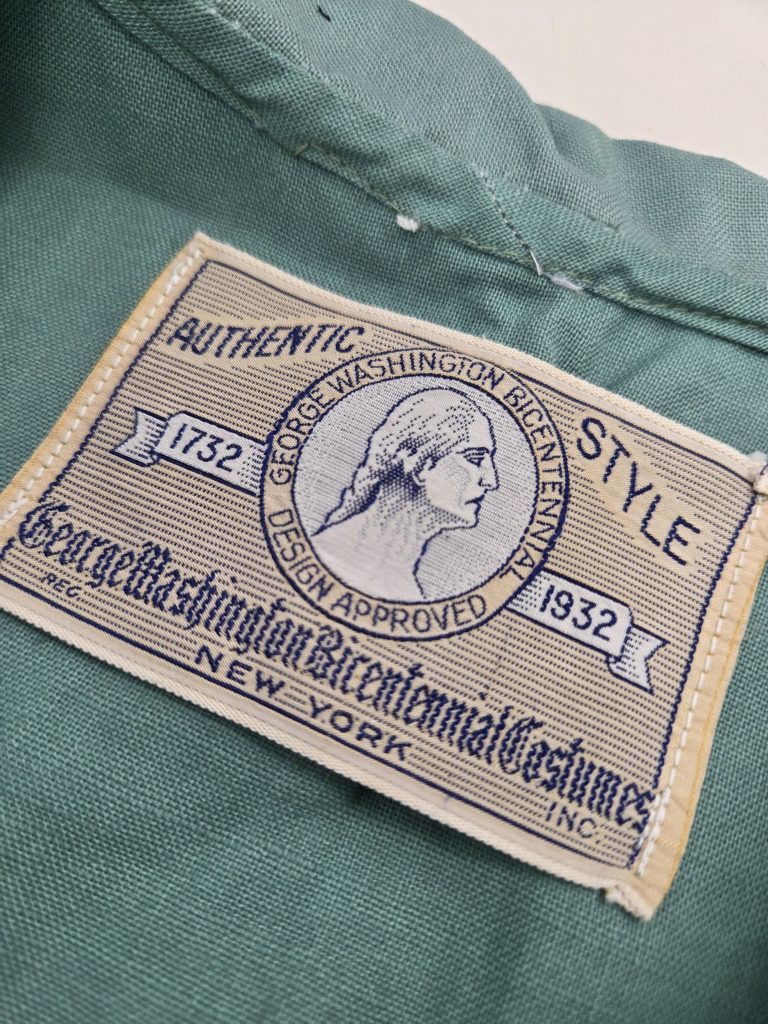
Not all woven labels are the same, however. Materials and construction methods can create completely different looks and textures. Damask woven labels are known for high detail and softness, while shuttle loom woven labels create a more vintage and heritage-inspired appearance.
If you want a deeper breakdown between woven and printed options specifically, check out our internal comparison guide on woven vs printed clothing labels.
You can also explore our custom woven labels page to see different woven label styles, folds, and finishes available for apparel brands.
What Are Printed Clothing Labels?
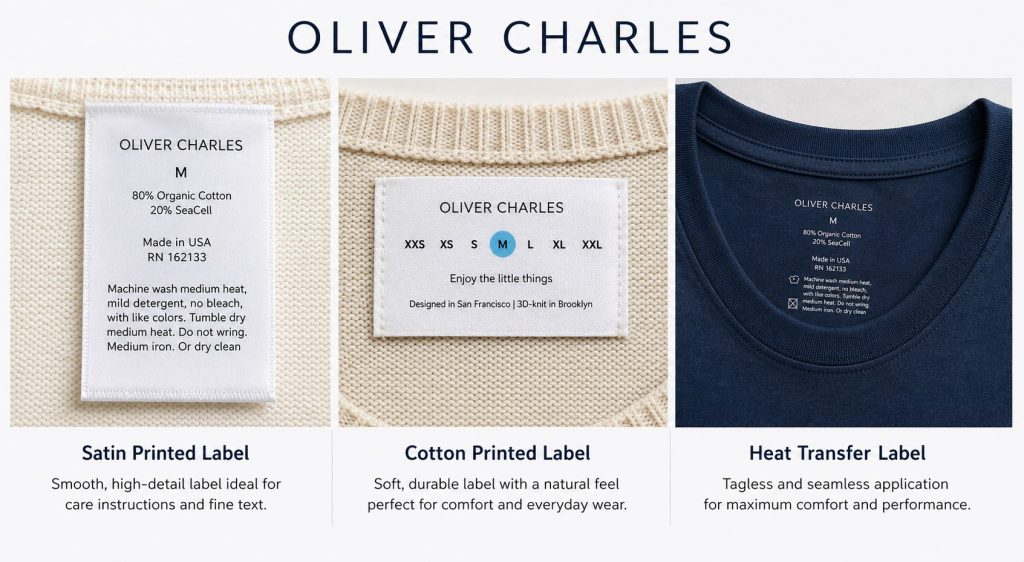
Printed clothing labels use ink printed onto materials such as satin, cotton, or nylon rather than weaving the design into threads.
Printed labels are often chosen when brands need:
- extremely fine detail
- smaller production runs
- softer lightweight materials
- detailed care information
- lower overall cost
Printed labels can still look professional when designed correctly. In fact, many modern fashion brands intentionally choose cotton printed labels because they create a softer, more natural aesthetic that works well with Eco-conscious or minimalist branding.
Satin printed labels are another popular option because they provide a smooth surface and sharp print clarity.
One advantage printed labels have over woven labels is flexibility with intricate artwork and very small text. Since the design is printed rather than woven, highly detailed graphics and fine lettering can often reproduce more cleanly.
However, printed labels generally do not create the same elevated texture or dimensional appearance that woven labels provide.
That difference may sound minor, but in branding terms it can be significant.
A startup streetwear brand trying to establish a premium identity may not get the same perceived value from a basic printed label that it would from a high-definition woven label with a soft finish and detailed fold style.
What Are Heat Transfer Labels?
Heat transfer labels — often called tagless labels — are applied directly onto the garment using heat and pressure rather than being sewn into the clothing.
These labels have become extremely popular in:
- athleticwear
- performance apparel
- underwear
- children’s clothing
- compression garments
- lightweight fashion basics
The biggest advantage of heat transfer labels is comfort.
Because there is no physical sewn-in tag, the garment feels smoother against the skin. Many athletic and performance brands prefer this approach specifically to eliminate irritation around the neckline.
Heat transfer labels can also create a cleaner, more modern appearance inside the garment.
At Rapid Tags, different transfer types are used depending on the fabric and intended application. For example:
- Hot Split transfers work well for 100% cotton garments
- Nyloflex transfers are commonly used for cotton blends
- Premium Color transfers are popular for stretch and performance fabrics
- Silicone transfers create a raised dimensional effect
- Reflective transfers are often used for visibility and athleticwear branding
Heat transfers are incredibly versatile, but they are not automatically the best solution for every brand.
A heat transfer label may maximize comfort, but it does not create the same tactile branding experience that a woven label provides when a customer physically handles the garment.
Woven vs Printed vs Heat Transfer Labels: Major Differences
Appearance and Brand Perception
This is where woven labels usually separate themselves.
A woven label often feels more substantial, textured, and premium. Customers tend to associate woven branding with higher-end apparel because the label itself feels intentionally manufactured rather than simply printed.
Printed labels can still look excellent, especially on minimalist or eco-focused garments, but they typically create a flatter visual effect.
Heat transfers create the cleanest appearance because there is no sewn label at all. This works especially well for performance apparel and modern basics.
Comfort and Feel
Heat transfer labels usually win in pure comfort.
Because the label is applied directly onto the fabric, there is no sewn edge or folded material touching the skin.
Printed labels are often softer than woven labels as well, especially cotton printed labels.
Modern woven labels have improved significantly over the years, however. Soft damask woven labels with proper fold styles can still feel comfortable while maintaining a premium look.
Durability and Wash Performance
Woven labels are generally the most durable long-term option because the design is physically woven into the material.
Printed labels can eventually fade depending on the material, ink type, washing conditions, and garment use.
Heat transfer durability varies heavily based on:
- fabric compatibility
- transfer type
- application temperature
- washing conditions
A properly applied high-quality transfer can last a long time, but poor application settings can shorten lifespan dramatically.
Detail and Readability
Printed labels often perform best for extremely fine details and dense information.
Care instructions, fiber content, sizing details, and small text frequently reproduce more sharply in printed form.
Woven labels can achieve excellent detail as well, especially high-definition damask labels, but extremely tiny text can sometimes become harder to read depending on thread count and design complexity.
Cost Considerations
Printed labels are often the most economical option for brands with tighter budgets or simpler garment programs.
Heat transfer pricing varies depending on material type, colors, and specialty finishes.
Woven labels sometimes cost more initially, particularly for higher-definition constructions, but many brands view them as part of the overall perceived value of the garment itself.
And honestly, that perception matters more than many startup brands realize.
Customers may not consciously analyze a clothing label, but they absolutely notice when a garment feels elevated versus generic.
Which Clothing Label Type Is Best for Different Apparel Brands?
Streetwear Brands
Woven labels are often the strongest choice for streetwear because they reinforce brand identity and create a more established feel.
Vintage woven labels and high-definition damask labels are especially popular for hoodies, jackets, denim, and premium tees.
Athleticwear and Performance Apparel
Heat transfer labels are usually ideal for performance garments because they maximize comfort and reduce irritation during movement.
Stretch fabrics also pair particularly well with premium transfer materials.
Eco-Conscious and Minimalist Brands
Cotton printed labels are commonly used for natural apparel lines because they create a softer and more organic appearance.
Many sustainable brands intentionally avoid overly glossy or synthetic-looking branding.
Children’s Clothing
Comfort is extremely important for children’s apparel, which is why heat transfers and soft printed labels are commonly used.
Luxury and Boutique Apparel
Premium woven labels usually create the strongest high-end presentation.
When customers spend more on apparel, small branding details become more important — and the clothing label often reinforces whether the garment feels truly premium.
When Woven Labels Make the Biggest Impact
Woven labels tend to create the strongest impact when apparel brands want their garments to feel more premium, established, and long-lasting.
They are especially popular for:
- streetwear brands
- boutique fashion labels
- denim companies
- luxury apparel
- heritage-inspired collections
- higher-end retail garments
Unlike printed or heat transfer labels, woven labels create a textured and dimensional branding element that customers can physically feel when handling the garment.
That tactile experience matters more than many brands realize.
A well-designed woven label can make even a simple t-shirt feel more intentional and professionally branded. This is one reason woven labels are commonly used on garments where presentation and perceived quality are a major part of the customer experience.
You can explore different fold styles, materials, and custom woven label options here.
Can You Combine Multiple Label Types?
Absolutely.
Many established apparel brands combine multiple label styles within the same garment.
For example:
- woven neck label
- heat transfer size label
- printed care label
This approach allows brands to combine premium branding with comfort and functionality.
In many cases, the best solution is not choosing a single label type exclusively, but using each one strategically where it performs best.
The best clothing label for your brand depends on more than price alone.
It depends on:
- how you want customers to perceive your brand
- how the garment should feel
- how the product will be worn
- how important long-term durability is
- and what kind of branding experience you want to create
Woven labels, printed labels, and heat transfer labels all have legitimate advantages when used correctly.
But if your goal is building a premium apparel brand with strong perceived value, woven labels often create the most impactful long-term branding presence.
At the same time, heat transfers can dramatically improve comfort, while printed labels remain a practical and effective solution for many garment applications.
The strongest apparel brands understand that clothing labels are not just functional necessities. They are part of the overall customer experience.
If you are deciding between woven labels, printed labels, or heat transfer labels for your apparel line, Rapidtags can help you choose the right solution based on your garment type, branding goals, and production needs.