
No products in the cart.
Blog
What Every Fashion Designer Needs to Start a Clothing Brand (Beyond Just Designing)
Designing clothing is arguably the most important part of starting a fashion brand—and it’s where every designer begins. But understanding what every fashion designer needs beyond design is what turns ideas into real, sellable products.
But turning those ideas into a real, sellable product is where most designers run into challenges.
From sourcing materials to creating a recognizable brand, the difference between a hobby and a scalable business comes down to having the right foundation in place. Many designers eventually realize that starting a clothing brand requires more than creativity alone—it requires a checklist of branding, production, supplier, and labeling decisions that all work together.
If you’re serious about starting or growing a fashion brand, here’s what you actually need.
1. A Clear Brand Identity (Not Just Great Designs)
Before anything goes into production, your brand needs direction.
What does your brand stand for? Who is it for? What makes it different?
Strong fashion brands are instantly recognizable—not just because of their designs, but because of their consistency. This includes everything from color palettes and typography to packaging and labeling.
Your clothing labels play a major role in that consistency. From logo placement to color contrast and material choice, label design directly impacts how your brand is perceived.
If you’re not sure where to start, check out our woven label design guide for clothing brands for a deeper look at how label design supports brand identity. Whether you’re using woven labels for a high-end look or printed labels for detailed care information, choosing the right label type is an important part of building a strong, recognizable brand.
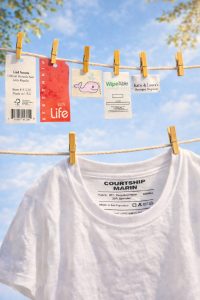
2. The Right Tools Every Fashion Designer Needs for Design and Production
Design tools have come a long way, and today’s designers have access to everything from traditional sketching materials to advanced digital software—but these are just part of what every fashion designer needs to build a successful brand.
Programs like Adobe Illustrator and Photoshop are still widely used, while 3D design tools are becoming more common for visualizing garments before production.
At the same time, many designers today are starting directly on their mobile devices. Apps for sketching, note-taking, and even mockups allow ideas to be captured instantly—whether you’re at home, traveling, or in the middle of a fitting.
While mobile tools may not replace full production software, they’ve become an important part of the design process, helping designers move faster and stay creative on the go. For example, apps like Procreate, Adobe Fresco, and even simple note-taking tools are commonly used to sketch ideas and build early concepts before moving into full production workflows.
But tools go beyond software. You’ll also need:
- Measuring tools and pattern-making supplies
- Fabric sourcing resources
- Sample development capabilities
The goal is simple: take your concept and turn it into something that can actually be manufactured.
3. Reliable Suppliers and Production Partners
No fashion brand exists without suppliers.
From fabrics and trims to packaging and labels, the partners you choose will directly impact your product quality and turnaround times.
This includes:
- Fabric suppliers
- Manufacturers
- Trim providers (zippers, buttons, etc.)
- Clothing label suppliers
Working with reliable vendors ensures consistency, which is critical as your brand grows. It also helps you avoid delays, quality issues, and unexpected costs.
For brands preparing for retail or eCommerce, this also includes working with a partner who can handle things like barcode labels, hangtags, and RFID requirements. Our service bureau for retail tags and labels is designed to support brands with fast, accurate production that meets retailer standards.
4. Clothing Labels and Branding Elements That Elevate Your Product
Clothing labels are not just a requirement—they’re a branding tool.
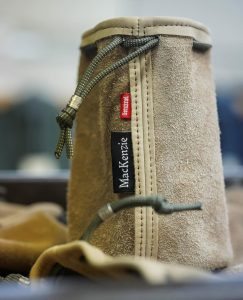
Whether you choose woven labels, satin printed labels, or heat transfer labels for a tagless finish, each option affects how your product looks and feels. If you’re considering a tagless approach, our guide on heat transfer clothing labels explains why they’ve become a popular choice for modern apparel branding.
Well-executed labels, on the other hand:
- Reinforce brand identity
- Improve perceived value
- Create a more professional, retail-ready product
If you want to understand the differences between label types, our guide on woven vs printed labels for clothing brands breaks down when to use each and how they impact your final product.
And if you’re planning to sell your products, it’s important to go beyond branding. Understanding if care labels required on clothing is essential for compliance, customer satisfaction, and long-term product quality.
5. Understanding Trends Without Chasing Them
Trends matter—but blindly following them doesn’t build a lasting brand.
Successful designers pay attention to what’s happening in the market while staying true to their own style. This balance allows you to stay relevant without losing your identity.
Research can include:
- Fashion shows and industry publications
- Social media trends
- Competitor analysis
Staying informed doesn’t mean constantly chasing every trend. Resources like Apparelist can be helpful for keeping up with industry insights and shifts, but the key is to filter what’s relevant to your brand.
The key is to use trends as inspiration, not direction.
6. A Plan to Actually Sell Your Product
Designing a collection is one thing—selling it is another.
Before launching, you should have a clear plan for how your products will reach customers. This could include:
- An eCommerce website
- Online marketplaces
- Retail partnerships
- Pop-ups or local events
Presentation matters here as well. High-quality product images, consistent branding, professional clothing labels, and accurate product information all contribute to how your brand is perceived.
Starting a clothing brand involves much more than creativity. The designers who succeed are the ones who understand both the artistic and business sides of the industry.
By focusing on branding, production, and the details—like high-quality clothing labels—you set your products apart from the start.
If you’re ready to bring your designs to life, make sure every part of your brand reflects the quality you want your customers to see. Call us at 1-877-438-8247 or email us at sales@rapidtags.com.