
No products in the cart.
Woven Labels
Woven vs Printed Clothing Labels: Which Should You Choose for Your Brand?
20
Mar
Mar
When building a clothing brand, small details carry more weight than most designers expect. Labels are one of those details.
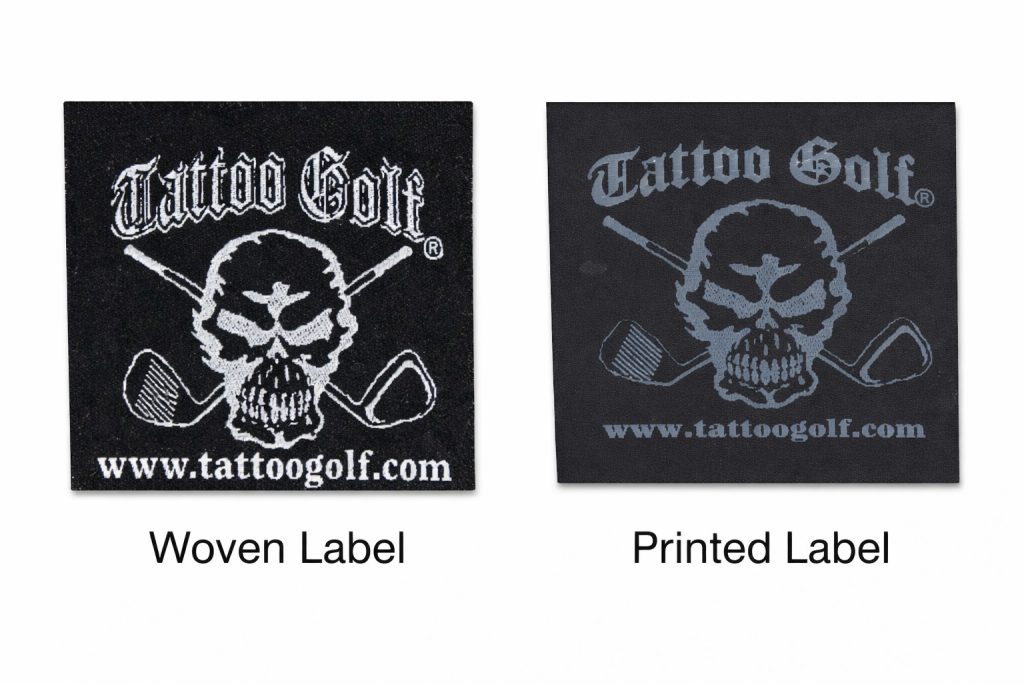
At first glance, the choice between woven vs printed clothing labels seems simple. One is woven into fabric, the other is printed onto it. But the difference goes much deeper than production method.
The label you choose affects how your product feels, how long it lasts, and—most importantly—how your brand is perceived.
If you’re deciding between woven and printed labels, here’s how to choose the right option based on your product, your goals, and your customer.
Woven vs Printed Clothing Labels: What’s the Difference?
Woven labels are created by weaving threads together on a loom to form your design. The logo, text, and details are built directly into the fabric itself.
Printed labels, on the other hand, involve printing ink onto the surface of a fabric—typically cotton, satin, or nylon.
In simple terms:
Woven labels = design is part of the fabric
Printed labels = design sits on top of the fabric
That difference impacts everything from durability to overall appearance.
Woven Labels: Built for Branding and Longevity
Woven labels are typically the go-to choice for brands that want a polished, professional look. If you’re exploring options, you can learn more about our woven clothing labels.
Advantages of woven labels:
Long-lasting and resistant to fading
More premium appearance
High-end texture customers can feel
Ideal for logos and brand identity
Because the design is woven into the label, it won’t wear off over time. That makes woven labels especially valuable for garments meant to last—like outerwear, denim, and higher-end apparel.
Woven labels also create a stronger perception of quality. Strong branding details—like labels—play a key role in how customers perceive quality and consistency across a product line. When customers see and feel a well-made woven label, it reinforces the idea that the entire product is well made.
👉 If you’re building a brand—not just selling a product—this matters.
Printed Labels: Flexible and Cost-Effective
Printed labels serve a different purpose—and they do it well. Many brands use printed clothing labels for care information, sizing, and lightweight branding. Printed labels are also commonly used to include required information like fiber content and care instructions, which are regulated under textile labeling laws.
Advantages of printed labels:
Lower cost, especially for larger information labels
Faster production times
Better for detailed content like care instructions and sizing
Works well for lightweight or minimal designs
They’re especially useful for:
Care/content labels
Size tags
High-volume production runs
Brands in early stages testing products
Printed labels give you flexibility, especially when information needs to change or when cost is a primary concern.
Woven vs Printed Labels: Side-by-Side Comparison
Here’s where things become clearer:
Durability: Woven wins (design won’t fade)
Cost: Printed wins (more economical)
Appearance: Woven wins (more premium look)
Detail for instructions: Printed wins
Brand perception: Woven wins
So the real question isn’t which is better—it’s:
👉 What role does the label play in your product?
When to Choose Woven Labels
Woven labels are the right choice when:
You want your brand to feel established and premium
Your logo is a key part of your identity
Your garments are built for long-term wear
You’re selling in boutiques or higher-end markets
They’re especially effective for brands leaning into:
Heritage or vintage aesthetics
Elevated basics
Outerwear and denim
👉 If that’s your direction, you may also want to explore vintage woven labels, which use traditional shuttle looms for a more classic, textured finish.
When to Choose Printed Labels
Printed labels make more sense when:
You need to include care/content information
You’re working within tighter budgets
You want faster turnaround
You’re producing in high volume
Many brands use printed labels alongside woven labels—rather than choosing one over the other.
The Smart Approach Most Brands Take
Here’s what a lot of successful brands actually do:
Woven label for branding (neck label or main tag)
Printed label for care/content information
This gives you the best of both worlds:
Strong brand presentation
Practical functionality
It’s not about choosing one—it’s about using each where it performs best.
Choosing the Right Label for Your Brand
Woven and printed labels both have their place in apparel.
But they serve very different purposes.
Satin Printed labels are practical.
Woven labels are memorable.
If your goal is simply to provide information, printed labels will get the job done.
But if your goal is to build a brand customers recognize, trust, and come back to—woven labels are often the better long-term investment.
👉 If woven labels feel like the right next step for your brand, you can explore your options on our woven labels page.
Call us at 1-877-438-8247 or email us at sales@rapidtags.com