
No products in the cart.
Blog
Where to Buy Custom Woven Labels for Clothing Brands
13
Mar
Mar
Starting a clothing brand involves many decisions, from selecting fabrics and designing logos to choosing trims and finishing details. One of the most important branding elements on any garment is the clothing label. Custom woven labels for clothing brands help establish brand identity, create a professional appearance, and give garments a polished retail look.
For many clothing designers, especially those launching their first collection, a common question is:
Where should you buy custom woven labels for your clothing brand?
Clothing brands have several options when sourcing woven labels, including specialized label suppliers, online ordering platforms, garment manufacturers, and overseas factories. Each option offers different advantages depending on your budget, production volume, and the level of design assistance you need.
Understanding these options can help ensure your labels match the quality and image you want your brand to represent.
Where Do Clothing Brands Buy Custom Woven Labels?
Clothing brands typically order woven labels from specialized label suppliers that produce custom labels for apparel companies and help guide designers through sizing, fold styles, thread colors, and layout options.
Clothing brands typically source custom woven labels from several types of suppliers:
• specialized clothing label suppliers
• online label ordering platforms
• garment manufacturers producing finished apparel
• overseas woven label manufacturers
Many clothing brands prefer working with a dedicated clothing label supplier because it allows them to maintain control over label design, materials, and branding. Label specialists can also help guide designers through technical details such as label size, fold styles, thread colors, and layout adjustments.
What to Look for in a Woven Label Supplier
Before choosing a supplier, it helps to understand the factors that influence the quality and usability of a woven label.
Design Assistance
Many startup clothing brands are unsure about label size, fold types, thread colors, or how detailed their logo can be when woven into fabric. Working with a supplier that offers design guidance can help ensure the final label looks exactly as intended.
Minimum Order Quantities
Minimum order quantities can vary depending on the supplier and the type of label being produced.
Some online platforms and small marketplace sellers may offer very small quantities—sometimes starting at 25 labels or fewer. These options can be helpful for testing designs or producing small batches.
For custom woven labels, however, the minimum order is often higher. Many professional woven label suppliers begin production runs at around 100 labels or more. This allows the manufacturer to properly set up the weaving process and produce labels with consistent quality and detail.
While ordering a slightly larger quantity may seem like a bigger upfront investment, many clothing brands prefer this approach because it ensures the labels are fully woven rather than simply stitched onto pre-made tape, resulting in a more refined and professional look.
Label Materials
Woven labels are commonly produced using materials such as cotton, damask, satin, and taffeta. Each material offers a slightly different appearance, texture, and level of detail, allowing clothing brands to choose a label that fits the style of their garments. Organizations such as Textile Exchange provide research and resources related to textile fibers used throughout the apparel industry.
Damask is one of the most widely used woven label materials because it allows for fine detail and a soft finish, making it a popular choice for clothing brands. Satin labels tend to have a smooth, glossy surface, while taffeta labels are more structured and are often used when a more economical woven option is needed. Cotton labels are also popular for brands seeking a more natural or vintage aesthetic.
Within some of these materials—particularly damask, satin, and taffeta—there are also different weaving methods and production variations. Examples include high-definition damask, shuttle loom weaving, needle loom weaving, and broad loom production. These variations can influence the sharpness of the design, edge finishing options, and the overall feel of the finished label.
While woven labels are commonly used for branding inside garments, many clothing brands also use printed clothing labels for care instructions, fiber content information, or lightweight garments where a softer label may be preferred. In the United States, clothing labels that list fiber content and care instructions must follow labeling guidelines established by the Federal Trade Commission (FTC).
For most clothing brands, the choice of label material ultimately depends on the desired appearance, garment type, and the level of detail required in the logo or artwork.
Turnaround Time
Production timelines for woven labels can vary depending on the supplier, order size, and level of detail in the design.
For high-quality woven labels, the typical production time is usually about 2–3 weeks. This timeframe allows the label manufacturer to create the woven design, produce the labels, and complete finishing processes such as cutting, folding, and packaging.
Some suppliers may offer faster turnaround options. In certain cases, labels can be produced in just a few days, particularly when the label is created by stitching a logo onto pre-woven tape rather than weaving the design directly into the label.
While faster production may be appealing, clothing brands should understand that different production methods can affect the appearance and overall quality of the final label. Taking the time to produce a properly woven label often results in sharper detail, better durability, and a more professional finish.
Communication and Support
Having access to knowledgeable support can make the ordering process significantly easier, particularly for designers ordering woven labels for the first time.
Types of Companies That Sell Woven Labels
There are several ways clothing brands obtain woven labels. Each option offers different levels of convenience, control, and customization.
Specialized Clothing Label Suppliers
Companies that focus specifically on clothing labels and garment trims often provide the most support during the ordering process. These suppliers usually offer multiple types of labels such as woven labels, printed labels, hang tags, and heat transfer labels.
Because they work with clothing brands regularly, they can help designers choose the right label size, fold style, and layout for their artwork.
Online Label Ordering Platforms
Some companies provide automated online ordering systems where customers upload artwork and select label specifications using digital design tools.
These platforms can be convenient for straightforward orders, although they may offer limited design assistance compared to working directly with experienced label specialists.
Labels Provided by Garment Manufacturers
Some clothing designers hire garment manufacturers or sewing factories to produce their apparel. In certain cases, the manufacturer may offer to include woven or printed labels as part of the overall garment production package.
While this may seem convenient, it is important to understand how this arrangement works.
The cost of the labels is typically built into the overall manufacturing price, which means the brand may not know exactly how much is being charged for the labels. Designers may also have limited control over label materials, weaving quality, colors, or the final layout of the label design.
Because clothing labels represent a brand’s identity, many clothing companies prefer to order their labels separately from a dedicated label supplier. This allows brands to maintain full control over design, materials, and quality.
Another advantage is consistency. If a clothing brand works with multiple garment manufacturers over time, sourcing labels independently ensures the same branding elements can be used across different production runs.
Overseas Manufacturers and Marketplaces
Some brands choose to source woven labels directly from overseas factories or supplier marketplaces. This option can sometimes offer lower pricing for very large quantities, though communication and quality control may vary depending on the supplier.
For companies experienced with international sourcing, this can be a practical option.
Woven Label Suppliers for Clothing Brands
Clothing brands typically order custom woven labels from specialized woven label suppliers that produce custom labels for apparel companies and help guide designers through sizing, fold styles, and layout options.
Rapidtags
Rapidtags is a clothing label supplier that works with professional weaving partners to produce custom woven labels for clothing brands. In addition to woven labels, the company also offers printed clothing labels, heat transfer labels, and custom hang tags.
One advantage of working with an experienced label supplier is the ability to receive design guidance from real people. Many clothing startups need help determining label size, fold types, thread colors, and how detailed their artwork can be when woven. Rapidtags works directly with clothing brands to refine label designs and determine the best layout for production.
Dutch Label Shop
Dutch Label Shop provides an online platform that allows customers to design and order woven labels through an automated interface. Users can upload artwork and configure label specifications using digital design tools.
Wunderlabel
Wunderlabel offers woven labels, printed labels, and other apparel trims through an online ordering system. The company serves clothing brands across a wide range of production sizes.
Label Weavers
Label Weavers is another supplier specializing in woven labels and apparel trims for clothing brands.
Marketplace Suppliers
Some clothing brands source woven labels through supplier marketplaces such as Alibaba, where multiple manufacturers offer custom label production.
Why Design Guidance Matters When Ordering Woven Labels
Many clothing designers discover that woven labels involve more technical considerations than expected.
Because woven labels are produced using thread rather than ink, very small details or thin lines may need to be simplified to ensure the design remains clear when woven.
Important considerations often include:
label size and proportions
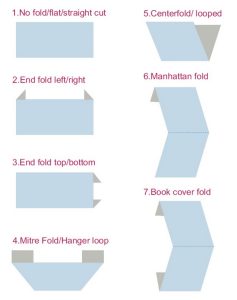
fold styles such as end fold or center fold
thread color limitations
spacing between design elements
Working with an experienced label supplier can help identify potential design issues before production begins, ensuring the finished label represents the brand correctly.
Choosing the Right Woven Label Supplier for Your Brand
Every clothing brand has different needs when sourcing woven labels. Some designers prefer automated ordering platforms, while others value the ability to work directly with label specialists who can provide guidance during the design process. Choosing the right woven label supplier depends on factors such as order quantity, design complexity, turnaround time, and the level of guidance the brand needs during the labeling process.
Taking the time to understand woven label construction and evaluate different sourcing options can help ensure your labels reflect your brand’s quality and professionalism.
Frequently Asked Questions
Where do clothing brands get woven labels made?
Most clothing brands order woven labels from specialized clothing label suppliers that produce custom labels specifically for apparel companies.
Can garment manufacturers provide woven labels?
Some garment manufacturers include labels as part of garment production. However, many clothing brands choose to source labels separately to maintain control over branding, materials, and quality.
What is the best material for woven clothing labels?
Damask is one of the most common materials used for woven labels because it allows for fine detail and a soft finish. Satin and taffeta labels are also used depending on the garment and design requirements.
Do clothing brands design their own woven labels?
Yes. Most clothing brands create their own label artwork or logos, which are then converted into a woven design by the label supplier.
Need help designing woven labels for your clothing brand?
Rapidtags works with clothing brands to create custom woven labels, printed labels, heat transfers, and hang tags that help bring apparel branding to life.
Call us at 1-877-438-8247 or email us at sales@rapidtags.com