
No products in the cart.
Blog
When to Upgrade Clothing Labels (And Why Woven Labels Make Sense)

29
Jan
Jan
At some point, most clothing brands reach a stage where the product itself feels solid. The fit is dialed in. The materials are better. The photography has improved. Maybe the packaging is getting more intentional.
This is usually the moment when brands start asking: when to upgrade clothing labels so everything feels aligned.
The First Signs Your Clothing Labels Are Holding You Back
When to Upgrade Clothing Labels: Early Warning Signs
Brands rarely wake up one morning and decide it’s time to rethink their labels. It usually happens gradually, after a few small signals start stacking up.
The label feels like an afterthought
This often shows up when the label looks fine on a screen but feels lightweight or overly shiny in real life. When a garment has substance and care behind it, a flimsy label creates an immediate disconnect. Customers may not articulate it, but they feel it.
The label doesn’t age well
Cracking ink, fraying edges, or fading after washing are all signs that a label isn’t built to last—especially when you consider how garments are expected to perform over time and repeated care cycles. Once a brand expects its products to be worn repeatedly—or passed on—labels that degrade quickly start working against the brand’s perceived quality. This is also why understanding proper labeling requirements becomes more important as your brand grows and scales.
Customers notice the label for the wrong reasons
Itchy labels, stiff edges, or tags that get cut out entirely are another quiet warning sign. Even when customers don’t complain, removing a label usually means removing part of the brand experience along with it.
The product looks better than the brand details
This is one of the most common turning points. The garment quality has improved. Photography looks professional. Pricing has increased. But the label still feels like it belongs to an earlier phase of the brand.
That mismatch is often what triggers brands to start rethinking their labeling choices. This is usually the moment when brands start asking when to upgrade their clothing labels.

Why Labels Quietly Influence How Customers Judge Quality
Labels don’t just identify a brand—they signal how much thought went into the product.
Much like buttons, stitching, or seam finishes, labels are one of those details customers subconsciously associate with quality. A well-made garment paired with a low-quality label creates friction. The opposite—a thoughtful, well-matched label—reinforces trust.
This is especially true when customers handle the product in person:
- in boutiques
- at pop-ups
- through repeat wear
At that point, labels stop being background elements and start contributing to the overall impression of the brand.

What Changes When Brands Start Thinking Long-Term
Early-stage decisions are usually about speed and cost. Later-stage decisions are about consistency, durability, and alignment.
As brands mature, their thinking shifts:
- from “good enough for now” to “does this still work a year from now?”
- from launch-focused to reorder-focused
- from one-off sales to repeat customers
Labels begin to matter more because they live with the product for its entire lifecycle. They’re washed, worn, touched, and noticed long after the purchase decision has been made.
This is also where confidence comes into play. Brands that have invested in long-term details tend to price more confidently, present more cohesively, and feel more “settled” in their identity.
Here’s the point where most brands start rethinking their labels.
It’s not when sales hit a specific number, and it’s not when a customer complains. It usually happens when everything else about the brand has improved—the product quality, the fit, the photography, the packaging—and the label suddenly feels like it hasn’t kept up. That’s when brands stop asking what the cheapest option is and start asking what actually matches where the brand is headed.
When to Upgrade from Printed Labels to Woven Clothing Labels
Knowing when to upgrade clothing labels is one of the most important decisions growing apparel brands make as they move from printed labels to woven labels.
For many growing brands, this is the point where woven clothing labels start to make sense—not because they’re automatically “better,” but because they match what the brand needs next.
If your garments are designed to last, your pricing has increased, and your presentation matters more than it used to, woven labels often become the most natural upgrade. Instead of ink sitting on top of fabric, the design is woven into the label itself, which helps it hold up through repeat washing and long-term wear.
This is also when consistency starts to matter. Brands that are moving into wholesale, boutique placement, or larger production runs tend to choose woven labels because they feel permanent, intentional, and aligned with long-term growth. In most cases, upgrading clothing labels at this stage means moving from printed labels or heat transfers to woven clothing labels.
If you’re considering the switch, you can see examples and options on our woven clothing labels page.
Why This Is Usually the Moment Woven Labels Make Sense
For many brands, this is the stage where upgrading to woven clothing labels starts to make sense.
Not because they’re automatically “better,” but because they align well with brands that are prioritizing durability, consistency, and presentation.
Woven labels are often chosen at this point because:
- the design is part of the fabric, not printed on top
- they hold their appearance through repeated washing
- they feel intentional and permanent
- they support brands that expect longevity and repeat wear
At this stage, labels are no longer just informational—they’re part of how the brand is judged.
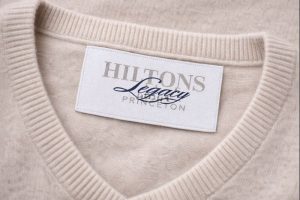
When Woven Labels Are Worth It — And When They’re Not
This distinction matters, and it’s worth being clear.
When woven labels are usually worth it
- The product is designed to last
- The brand has moved past testing phases
- Presentation and perceived value matter
- The label is meant to be seen, not hidden
- The brand is thinking about wholesale, retail, or scaling
When woven labels may not be the right branding choice
Not every brand calls for woven labels—and that’s okay.
Some brands intentionally choose printed labels instead, particularly when:
- softness and flexibility are a top priority (kidswear, baby products)
- sustainability and natural materials are central to the brand story
- the aesthetic calls for a lighter, more organic feel
In these cases, a high-quality printed cotton label can be the better branding choice—not a compromise. The goal isn’t to force a material, but to choose the label type that best supports the brand’s identity and customer experience.
The right label is the one that fits the brand’s values, not just its growth stage.
For Brands Just Starting Out: Choosing Right the First Time
Some brands reach this decision before they ever launch.
These are often brands that:
- have prior experience in apparel or retail
- plan to wholesale or scale
- want to avoid redoing core brand components later
- already know what kind of customer they’re building for
Choosing woven labels early isn’t about over-investing. It’s about alignment. For brands with a clear long-term vision, starting with the right label can prevent unnecessary rework and help establish consistency from the beginning.
When Should You Upgrade Clothing Labels? (Quick Answer)
Most clothing brands should upgrade their labels when product quality improves, pricing increases, or customer expectations shift. If your garments are built to last but your labels fade, fray, or feel cheap, it’s usually time to upgrade to a more durable option like woven clothing labels.
Brands also tend to upgrade clothing labels when moving into retail, preparing for larger production runs, or focusing more on brand presentation and long-term durability.
Final Thoughts
Upgrading clothing labels isn’t about trends or spending more money for appearances. It’s about making sure the smallest details support where the brand is going—not where it started. Knowing when to upgrade clothing labels comes down to how your product, brand, and customer expectations have evolved.
Whether that means woven labels, printed labels, or another option entirely, the right choice is the one that aligns with your product, your customer, and your long-term goals.
If woven labels feel like the right next step for your brand, you’ll find more details on our woven labels page.
For brands just getting started, we occasionally offer introductory quantities to make upgrading easier.