
No products in the cart.
Blog
Heat Transfer Labels: The Modern Tagless Solution
Modern Branding Meets Comfort
Every brand has its own approach to labeling, and while traditional woven labels remain a classic choice, heat transfer labels for clothing have earned their place as a modern, tagless alternative. These labels are applied directly to the garment using heat and pressure, creating a smooth, comfortable finish that feels like part of the fabric itself.
They’re durable, sleek, and ideal for brands that prioritize a minimalist or performance-driven look. From activewear and swimwear to children’s apparel, heat transfer labels offer a clean and professional way to display brand and care information — without sacrificing comfort or style.
Unlike traditional sew-in tags, heat transfer labels are applied directly to the garment using heat and pressure. The result? A smooth, lightweight mark that feels like part of the fabric itself. They’re durable through dozens of wash cycles, flexible on stretch fabrics, and ideal for brands that want a modern, minimalist look.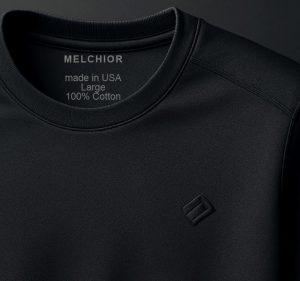
Why Brands Choose Heat Transfer Labels
Fashion today is driven by comfort, functionality, and aesthetics. Consumers are tired of itchy tags or bulky seams. Designers are focused on clean silhouettes and performance fabrics. Heat transfer labels hit the sweet spot between both worlds.
Key Benefits:
- Comfort First: No tag, no itch, no irritation. Perfect for activewear, undergarments, and children’s clothing.
- Durability: When applied correctly, heat transfers hold up through repeated washing and wear.
- Design Flexibility: You can print fine details, gradients, and vibrant colors—something woven labels can’t always achieve.
- Professional Appearance: The label looks integrated with the garment, giving a sleek, premium finish.
- Space Efficiency: Ideal for lightweight garments where a bulky label would be noticeable.
At Rapidtags, we produce high-quality heat transfer labels that meet the same exacting standards as our woven and printed options. Each order is customized to match your fabric type, ink preference, and application method. 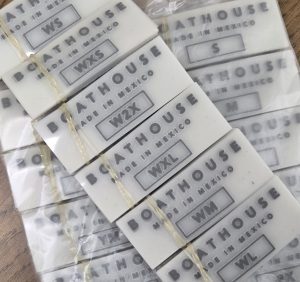
Common Uses for Heat Transfer Labels
Where They Work Best:
- Activewear: For gym, yoga, and sports apparel, where comfort and flexibility matter.
- Swimwear: Resistant to moisture and movement, staying clear and smooth in water.
- Casual T-Shirts and Tanks: Perfect for brands that want a clean, retail-ready look.
- Children’s Apparel: No rough edges, safe for sensitive skin.
- Lingerie and Intimates: Discreet, soft, and seamless.
These applications highlight one truth: tagless doesn’t mean generic—it means thoughtful design. For more inspiration on using labels to enhance your branding, see our post on custom hangtags and add-ons. 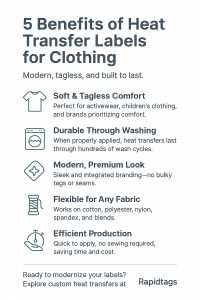
The “Luxury Label” Debate: Do Heat Transfers Cheapen a Brand?
There’s a long-standing perception in fashion that heat transfer labels are “too casual” or “too cheap” for luxury or designer brands. We disagree—and so do many leading labels.
High-end activewear companies like Lululemon and Nike, premium lifestyle brands like Outdoor Voices, and countless boutique designers now use heat transfer labels not as a shortcut—but as a deliberate choice. They understand that a smooth, tagless interior reflects modern luxury: comfort, precision, and intentional design.
Luxury has evolved. It’s no longer about how visible a label is—it’s about how it feels and functions. A heat transfer label applied with precision and made from premium materials can look just as refined as any woven tag, if not more so.
How Heat Transfer Labels Are Made
Heat transfer labels begin as printed graphics on a special transfer film. The inks—often silicone, plastisol, or water-based—are layered to create vibrant, opaque designs. When pressed with heat, the ink bonds to the garment fibers permanently, leaving only the design behind and peeling away the carrier film.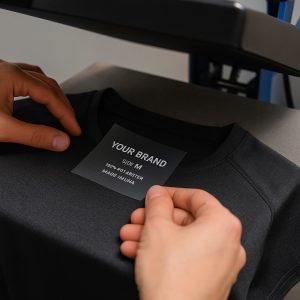
Different materials offer different finishes:
- Matte or Glossy TPU: Smooth, modern finish used in performance wear.
- Silicone Transfers: Slightly raised and flexible, great for textured fabrics.
- Metallic or Reflective Transfers: Eye-catching options for fashion or safety apparel.
Each label type is tested for wash durability, colorfastness, and stretch—ensuring it won’t crack, peel, or fade. To see more labeling materials and techniques, check out our free designer resources, including The Ultimate Guide for Clothing Designers.
Best Practices for Applying Heat Transfer Labels
To ensure perfect adhesion and longevity:
- Pre-test on your fabric—different textiles absorb heat differently.
- Use the right temperature, pressure, and dwell time for your chosen ink.
- Apply on clean, dry surfaces—no lint, moisture, or coatings.
- Peel carefully and allow cooling time to prevent edge lifting.
When done right, a heat transfer label becomes part of the garment itself—lasting the lifetime of the product.
When to Choose Traditional Labels Instead
While heat transfers are fantastic for many applications, there are still moments when woven or printed labels make sense. For example:
- Outerwear or heavy denim, where a woven patch reinforces brand identity.
- Luxury gift items or limited editions, where tactile texture adds value.
- Care or compliance tags required by law to be removable or visible.
That’s why most established clothing brands use a mix: woven labels for exterior branding and heat transfer labels for interior comfort. It’s not one or the other—it’s the right tool for the right garment.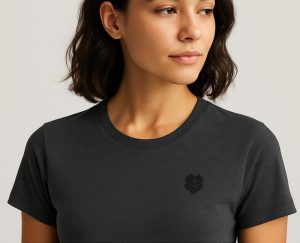
The Rapidtags Difference
At Rapidtags, we know that every brand tells its story a little differently — and your labels should reflect that. Whether you need the clean comfort of a heat transfer or the classic texture of a woven label, our goal is the same: to help you create a professional finish that feels true to your brand.
Each order is made with precision and care, because we know how much the details matter. From concept to production, our team is here to help you choose the right materials, colors, and formats to make your garments look their best.
👉 Want to explore more options? Visit our partner site ClothingTransfers.com