
No products in the cart.
Blog
Sustainable Clothing Labels: Eco-Friendly Label Options for Apparel Brands
09
Mar
Mar
Sustainable clothing labels are becoming increasingly important as fashion brands look for ways to reduce environmental impact while appealing to eco-conscious consumers. Labels and hangtags may seem like small components of a garment, but they play an important role in communicating a brand’s values and environmental commitments.
Today, apparel companies have several options when choosing sustainable clothing labels. From organic cotton label materials to recycled fibers and responsibly sourced paper hangtags, brands can select labeling solutions that support sustainability without sacrificing durability or professional garment presentation. Many apparel brands are now actively searching for eco friendly clothing label suppliers that can provide sustainable materials without sacrificing quality or durability.
For many clothing designers, choosing eco-friendly clothing labels is a practical way to align product packaging and branding with a more responsible approach to manufacturing.
Why Sustainable Clothing Labels Matter
The fashion industry has faced growing scrutiny for its environmental impact. Textile production, garment manufacturing, and fast-fashion consumption contribute significantly to pollution and landfill waste around the world.
While labels represent only a small portion of a garment’s materials, they are still part of the overall production process. Choosing sustainable clothing labels allows apparel brands to reduce waste, select environmentally responsible materials, and communicate their commitment to more thoughtful production practices.
Many clothing brands now look for label options that use natural fibers, recycled materials, or responsibly sourced paper products. These small decisions can help brands move toward a more environmentally conscious supply chain while maintaining high-quality garment branding.

Types of Sustainable Clothing Labels
Several label materials and production methods can help clothing brands support more sustainable practices. The best option often depends on the garment type, brand aesthetic, and overall production goals.
Choosing the Best Sustainable Clothing Labels
When selecting sustainable clothing labels, apparel brands should consider durability, comfort, and overall brand presentation in addition to environmental impact.
For example, organic cotton labels are ideal for soft, natural garments, while recycled polyester labels are better suited for performance apparel that requires durability. FSC certified paper hangtags are a strong choice for retail environments where presentation and sustainability messaging both matter.
Many brands searching for sustainable clothing labels are also comparing different materials to find the best balance between sustainability, cost, durability, and appearance. A sustainable clothing tag materials comparison often includes organic cotton labels, recycled polyester labels, and FSC certified paper hangtags.
Organic Cotton Clothing Labels
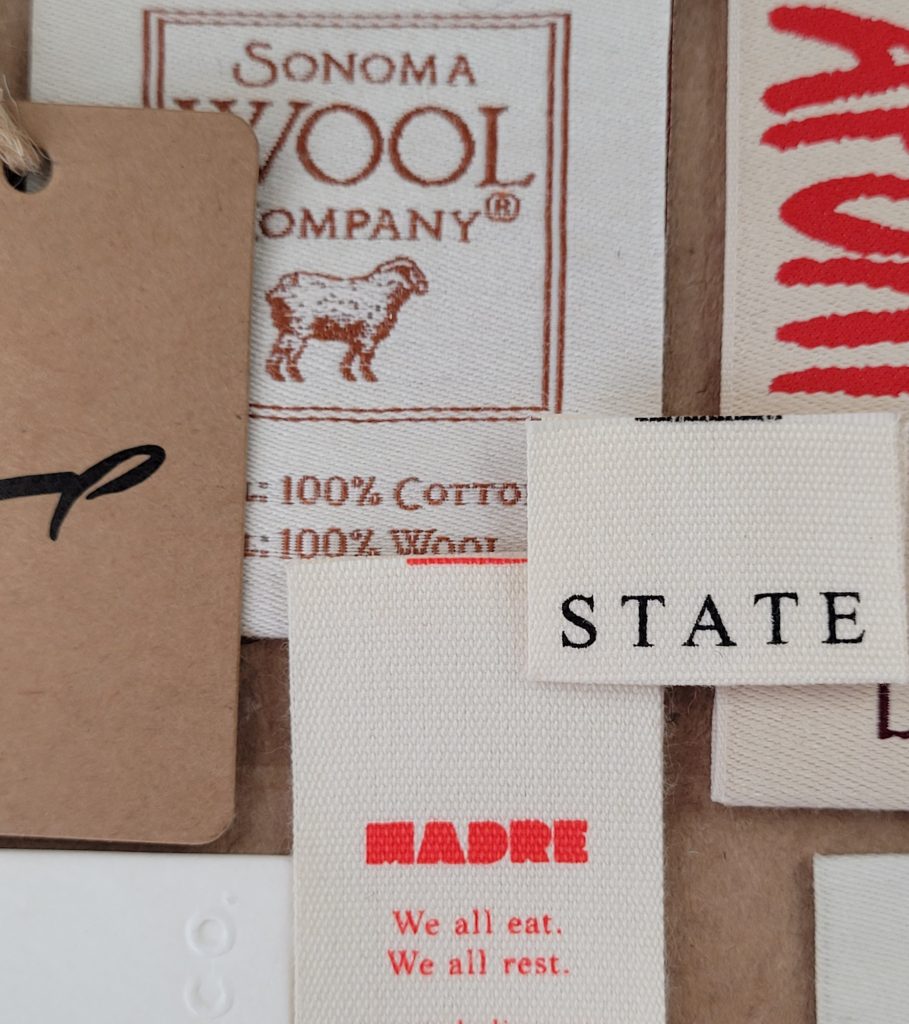
Organic cotton clothing labels are produced using cotton grown without synthetic pesticides or harmful agricultural chemicals. Because organic cotton is a natural fiber, these labels offer a soft feel and a more natural appearance that works well with eco-focused apparel brands.
Cotton labels are commonly used in boutique clothing lines, handmade garments, and brands that want their labeling to match the natural aesthetic of their products. Organic cotton labels are biodegradable and breathable, making them a comfortable option for garments worn close to the skin.
Recycled Polyester Labels
Recycled polyester labels are made using fibers created from recycled plastic materials such as water bottles. By converting plastic waste into usable textile fibers, recycled polyester helps reduce the amount of plastic entering landfills and oceans.
These labels are extremely durable and hold up well through repeated washing and wear. Because of their strength and resistance to fraying, recycled polyester labels are frequently used in activewear, outdoor apparel, and performance garments.
FSC Certified Paper Hangtags
Many clothing brands exploring sustainable clothing labels also consider the environmental impact of their hangtags. FSC certified paper hangtags are produced from paper sourced from responsibly managed forests that meet the environmental standards of the Forest Stewardship Council (FSC).
Using FSC certified paper helps ensure that forests are managed in a way that protects biodiversity, wildlife habitats, and long-term forest health. For apparel brands that sell in retail environments, eco-friendly hangtags can reinforce a commitment to sustainability while maintaining a professional presentation at the point of sale.
Reducing Waste in the Fashion Industry
Another important part of sustainability in clothing involves reducing waste throughout the garment lifecycle. This includes designing garments that last longer, encouraging repair and reuse, and supporting recycling or donation programs that keep clothing out of landfills.
According to reporting from Good Morning America, the amount of donated clothing in the United States has increased dramatically over the past several decades. While donation programs can help extend the life of garments, the growth in discarded clothing highlights the need for more responsible production and consumption practices across the fashion industry.
By focusing on durable materials, responsible sourcing, and thoughtful design, apparel brands can help reduce the environmental impact associated with clothing production.
Ethical Labor and Responsible Production
Sustainability is not limited to environmental concerns. Ethical labor practices are also an important part of building a responsible fashion industry.
Clothing brands are increasingly expected to ensure that workers throughout their supply chains receive fair wages, safe working conditions, and respectful treatment. Responsible sourcing and transparent manufacturing processes help create a more equitable global apparel industry.
For many fashion brands, sustainability now includes both environmental responsibility and social accountability.
Sustainable Label Options for Your Brand
As sustainability continues to shape the future of the fashion industry, many clothing brands are looking for ways to reduce environmental impact while maintaining strong brand identity and professional garment presentation.
Sustainable clothing labels provide one practical way to support that goal. Whether a brand chooses organic cotton labels, recycled fibers, or FSC certified paper hangtags, selecting environmentally responsible labeling materials can help align a brand’s packaging with its values.
Where to Buy Sustainable Clothing Labels
Apparel brands searching for eco friendly clothing label suppliers often need more than sustainable materials. They need a reliable partner who understands garment labeling requirements, durability, and production timelines.
Not all manufacturers offer sustainable clothing label options such as organic cotton, recycled materials, or FSC certified paper products. Choosing the right supplier ensures your labels meet both branding and environmental goals while maintaining long-term performance.
Rapidtags provides sustainable clothing labels for apparel brands, including cotton printed labels, woven labels, and eco-friendly hangtags produced in the United States. These options can be customized to support both branding and sustainability goals.
Rapidtags offers a variety of label options for apparel brands, including woven labels, printed labels, and custom hangtags. Many of these products can be produced using materials and processes that support more environmentally conscious garment production while still delivering the quality and durability clothing brands expect.
Helpful Resources on Sustainable Materials
Forest Stewardship Council (FSC)
Please call us at 1-877-438-8247 or email us at sales@rapidtags.com. We’d be glad to take a few minutes and discuss options with you.