
No products in the cart.
Blog
Clothing Labels on Shorts: Types, Placement, and Branding Explained
08
May
May
When designing a new clothing item, it’s important to think about the different clothing labels on garments that communicate information to the customer. Many garments include several types of labels, each serving a specific purpose. Some labels reinforce brand identity, while others provide required information such as care instructions, fabric content, sizing, or retail details. Using multiple clothing labels on garments allows designers to combine branding, compliance, and product information in a clear and professional way.
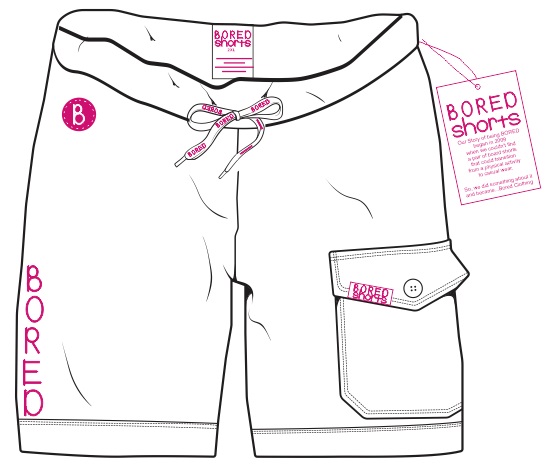
A picture is worth a thousand words. See below as an example of how a blank pair of shorts can be made 100% custom to your brand. Make it worth the money you are charging customers!
The example below shows how multiple clothing labels can be used on shorts, but the same principles apply to most garments.

Types of Clothing Labels on Garments
There are several types of clothing labels used on garments, each serving a specific purpose:
• Brand labels – Identify the clothing brand or designer and are often created as custom woven labels.
• Care and content labels – Provide fabric composition and washing instructions required by regulations and are often produced as printed labels.
• Size labels – Help customers quickly identify garment sizing.
• Hang tags – Often used for pricing, barcodes, or marketing messages.
• Specialty labels – These may include collaboration labels, promotional tags, or decorative branding elements.
Using a combination of these clothing labels helps create a polished and professional garment presentation.
Using multiple clothing labels can also serve a functional purpose. Different labels may appeal to different market segments or demographics, allowing designers to reach a wider audience. Many garments also include care labels that must follow U.S. textile labeling regulations. For example, one label may be positioned for a higher-end or luxury customer, while another may support a more accessible product line. By incorporating multiple labels into a garment, designers can connect with different consumer groups and strengthen overall brand recognition.
Adding multiple clothing labels can also help create a stronger sense of identity and uniqueness. When a designer enhances blank shirts, shorts, sweaters, dresses, or other garments, additional labels help establish brand presence and visual interest. Limited edition labels or collaboration tags can generate excitement around a collection and make a product feel more exclusive. These small branding elements often help build demand and encourage repeat customers.
Clothing Label Placement on Shorts
Clothing labels on shorts are typically placed in several key areas depending on their purpose:
• Waistband – Common for brand labels and size tags
• Side seams – Often used for care and content labels
• Pockets or exterior – Used for decorative or branding labels
• Hang tags – Attached for retail display and pricing
Using multiple clothing labels on shorts ensures that each type of information is placed where customers expect to find it while maintaining a clean and professional look. Understanding where to place clothing labels on shorts helps ensure a better customer experience and a more professional finished product.
Using more than one clothing label on a garment can be a smart branding decision. Multiple labels allow designers to communicate brand identity, product details, and marketing messages all at once. When used thoughtfully, clothing labels on garments help create a professional presentation while strengthening the overall brand.
CALL us: 877-438-8247
Email us: sales@rapidtags.com